

Spetses Island is a popular tourist destination mainly as a brief escape from the busy capital Athens for both Greeks and foreigners, since travelling by ferry from Athens (Piraeus Port) to Spetses island takes only a couple of hours.
History. Spetses Island has a great history since the Mycenaean Era under the name “Pitiousa”, which translates to “pine-filled” island; and it has always been a commercial and trading post for centuries. Archaeological findings date back to 2300 BC.
In recent history, the 18th century is considered the Golden Age of Spetses, when the island developed a powerful commercial naval fleet, travelling to all Mediterranean ports. During the Greek Independence Revolution against the Ottoman Empire (1821-1830), Spetses was the first island to revolt on the 3rd of April 1821. Along with the islands Hydra and Psarra, joined forces with the revolution fighters on the Peloponnese. Spetses’ naval forces have been praised for their courage and immediate response, heroic actions and sacrifices during the revolution for independence. Amongst all heroes during the Revolution for Independence, Laskarina Bouboulina, a distinguished female captain of Spetses, funded the revolution and sailed her ships into battles.
The roots of tourism on Spetses Island. Following the establishment of the Greek independent state in 1830, Spetses started to develop as a commercial and trading island. Sotirios Anargyros, an entrepreneur and national benefactor born on Spetses in 1849, decided to invest his fortune on the island’s development, and he founded the Anargirios and Korgiallenios School (Fig.1), a boarding school modelled off Eaton College with male students from prestigious and wealthy Greek families. While visiting their children, rich Greek families stayed at the Poseidonion Hotel (Fig.2), a magnificent new hotel built by that time, which thus, became the grandest hotel in the Balkans. Visitors included politicians, royals, and Athens’ social elite making Spetses a new cosmopolitan island.
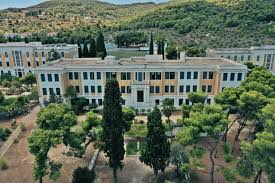
Fig.1 – The Anargirios and Korgiallenios School
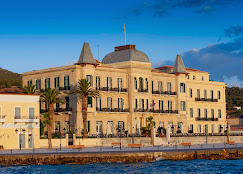
Fig.2 - Poseidonion Hotel
With these foundations, tourism strongly developed in Spetses during the next decades; and nowadays, Spetses is one of the most popular tourist destinations due to its history, built heritage, and picturesque beaches (Figs.3 and 4).
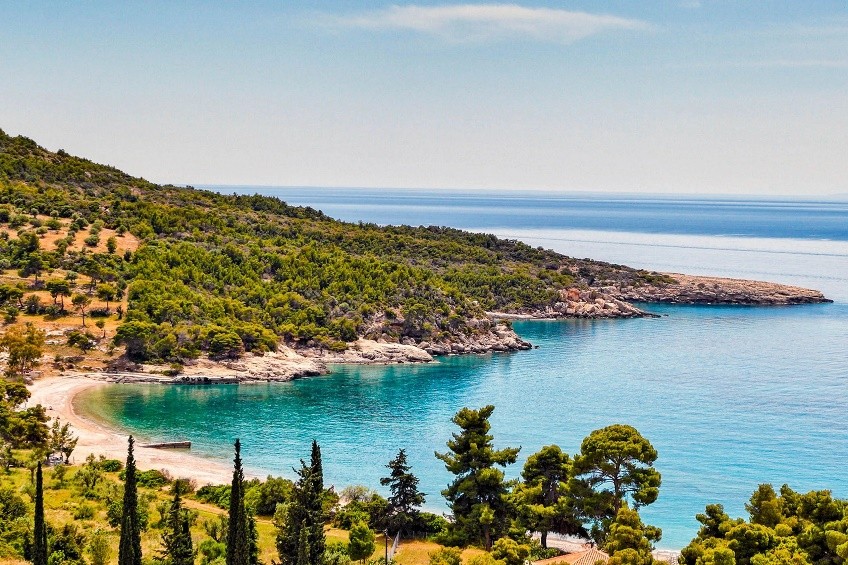
Fig. 3 - Aghia Paraskevi beach
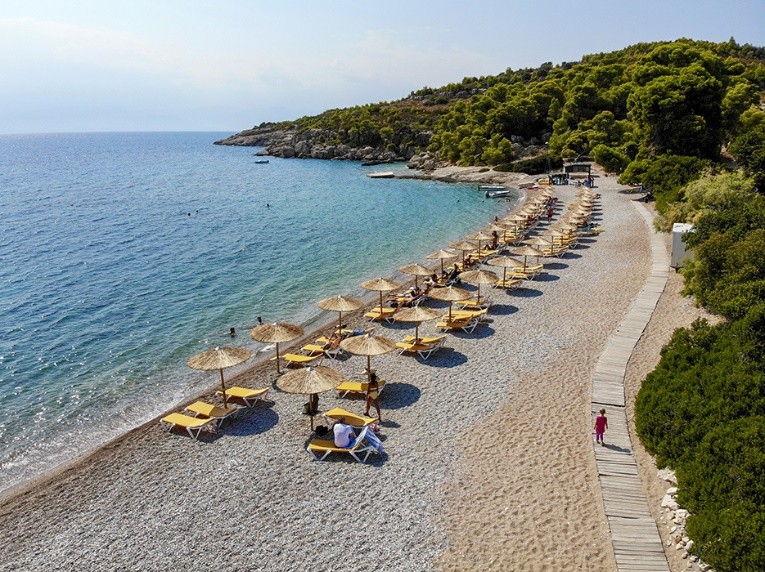
Fig.4 - Anargiri Beach
Spetses town is the only urban settlement on the island. It is famous mostly for its elegant cozy atmosphere, its significant built-heritage consisting of impressive 18th and 19th century neoclassical mansions (Figs.5 and 6) and old churches (Figs.7 and 8), the picturesque old harbour (Fig.9), as well as being car-free town & island with limited number of vehicles such as bicycles, motorbikes and horse-drawn carriages (Figs.10 and 11). Public buses and small tourism boats serve destinations to the beaches on the island.
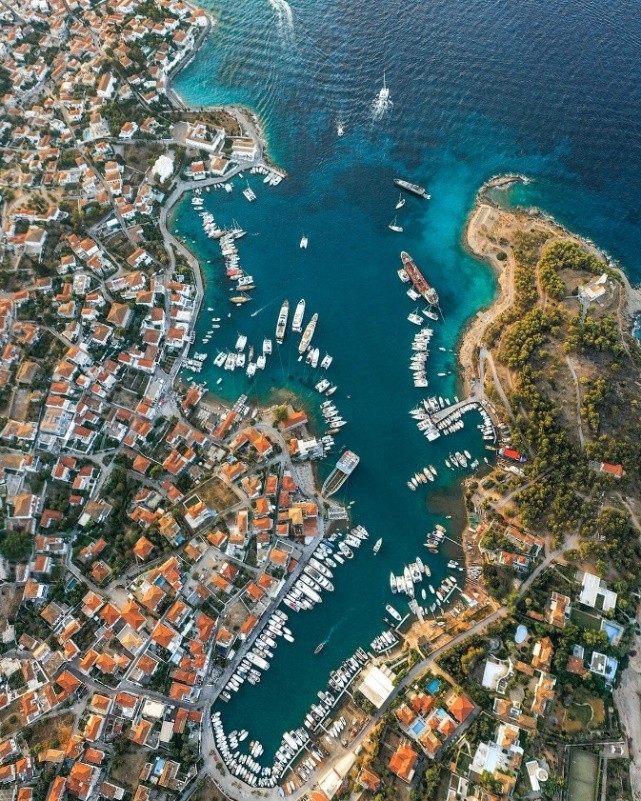
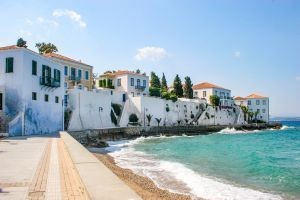
Fig.5 - 18th and 19th century neoclassical mansions
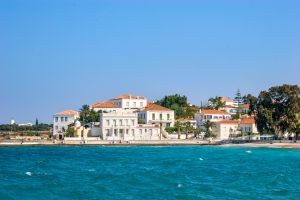
Fig.5 -18th and 19th century neoclassical mansions
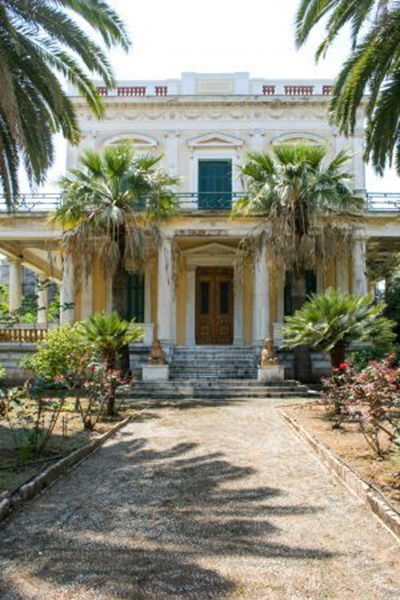
Fig.6 – Sotirios Anargyros Mansion
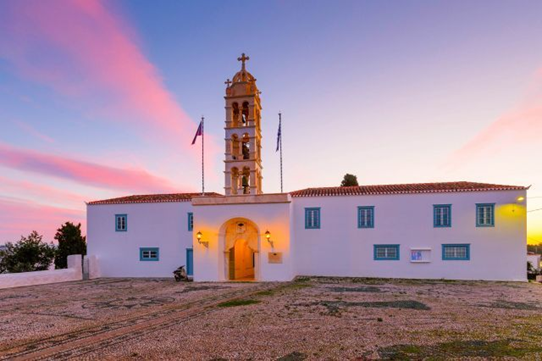
Fig.7 - Saint Nicolas Church, Spetses’ old Cathedral
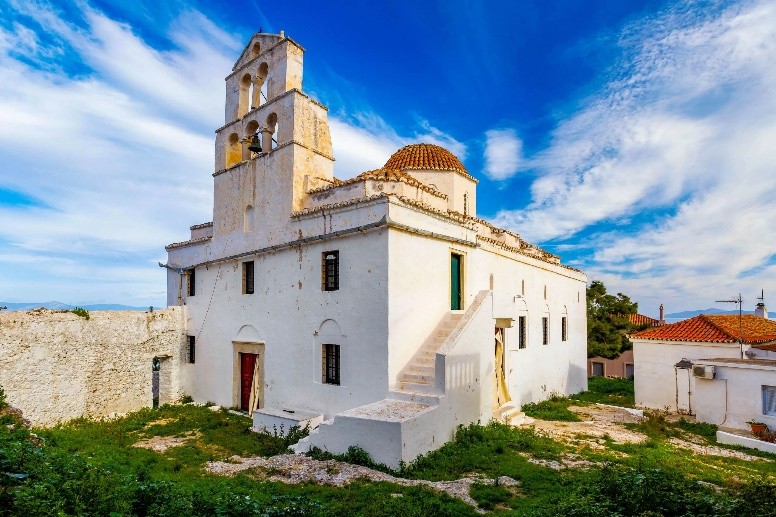
Fig.8-The Monastery of Agioi Pantes, built in 1803.
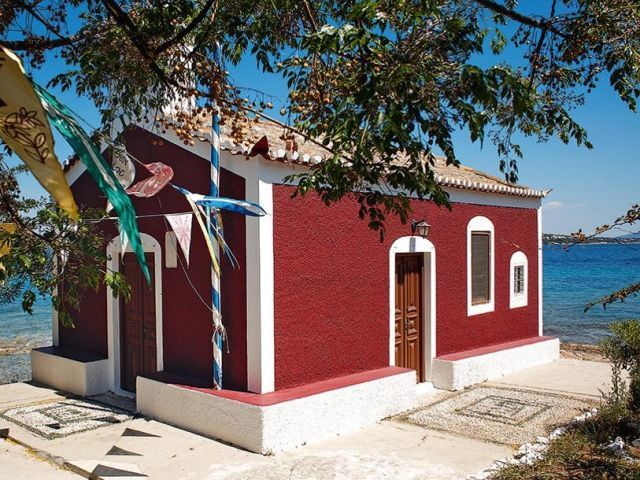
Fig.8-The Chapel of Resurrection on the waterfront
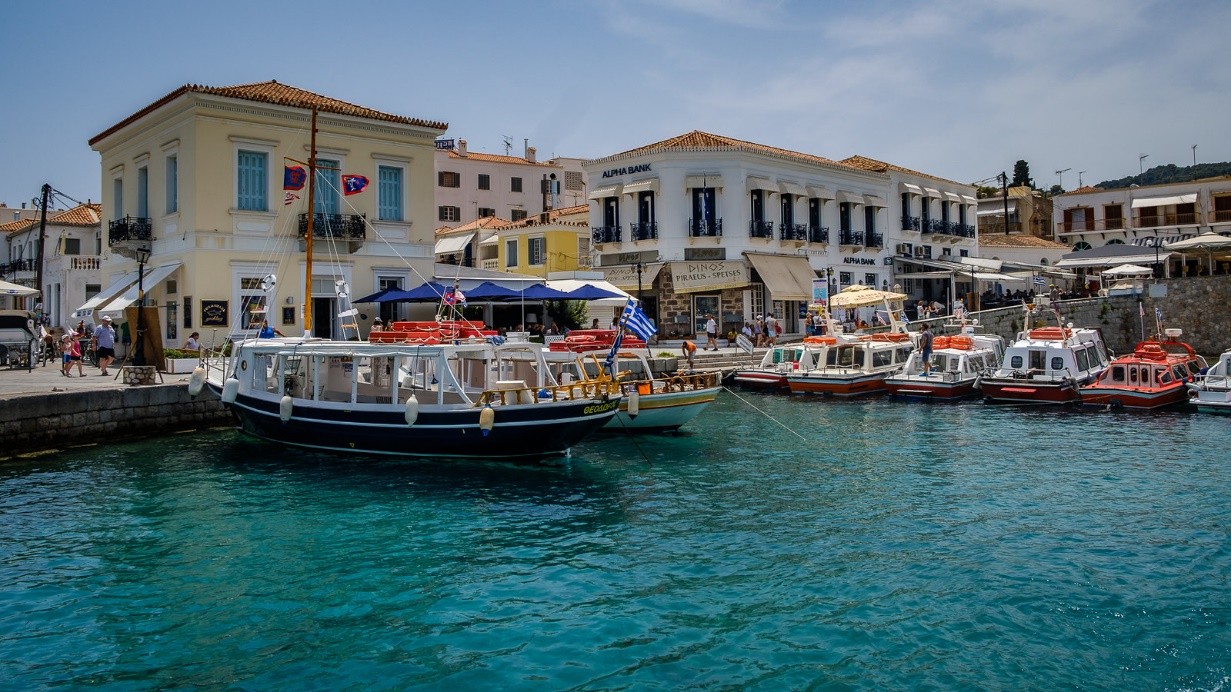
Fig.9. – Dapia, Spetses’ old harbour. Tourism boats and taxis.
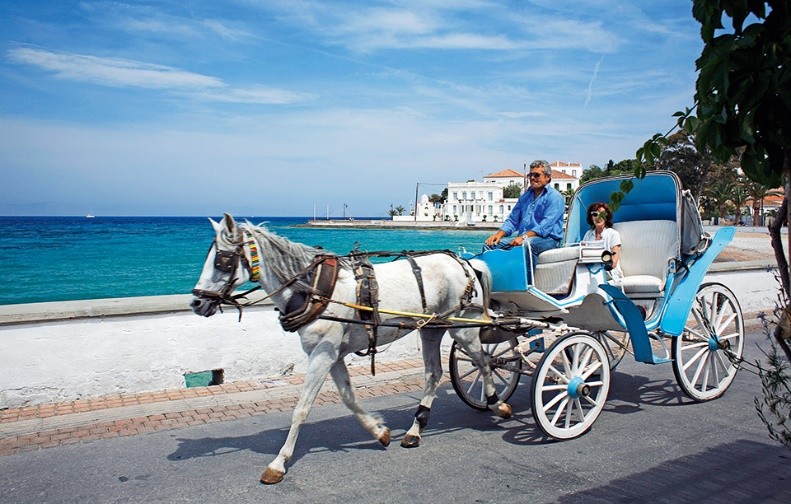
Figs.10-Horse-drawn carriages serve destinations in the town and to nearby beaches on the island.
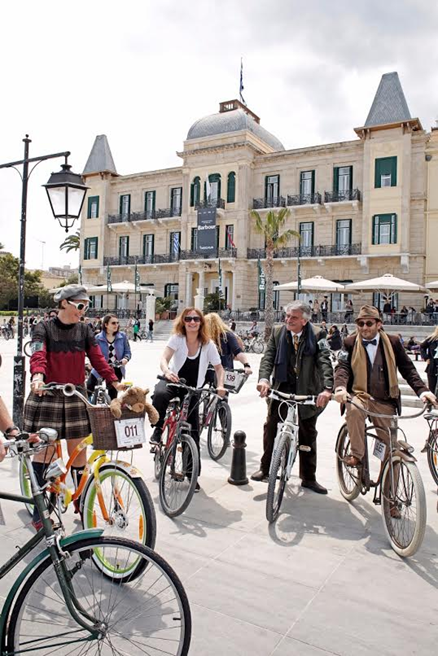
Figs.11-Bikes are mostly used by locals and visitors.