

MOBILE CULTURAL WORKSHOP
Friday 19th of June 2026
1. Visiting the archaeological sites of the Pre-historic Greek cities of Mycenae and Tiryns.
In the second millennium BC, Mycenae was one of the major centres of Greek civilization—a military stronghold which dominated much of southern Greece, Crete, the Cyclades and parts of southwest Anatolia. The period of Greek history from about 1600 BC to about 1100 BC is called Mycenaean in reference to Mycenae. At its peak in 1350 BC, the citadel and lower town had a population of 30,000 and an area of 32 hectares (79 acres).
The first correct identification of Mycenae in modern literature was in 1700, during a survey conducted by the Venetian engineer Francesco Vandeyk on behalf of Francesco Grimani, the Provveditore Generale of the Kingdom of the Morea. Vandeyk used Pausanias's description of the Lion Gate to identify the ruins of Mycenae. In 1999 the archeological site of Mycenae (see photo in Fig 1) was added to the UNESCO World Heritage List, along with the nearby site of Tiryns (see photo in Fig.2) because of its historical importance as the center of the Mycenaean civilization, its outstanding architecture and its testimony to the development of Ancient Greek civilization.

Fig. 1 – Mycenae’s archaeological site.
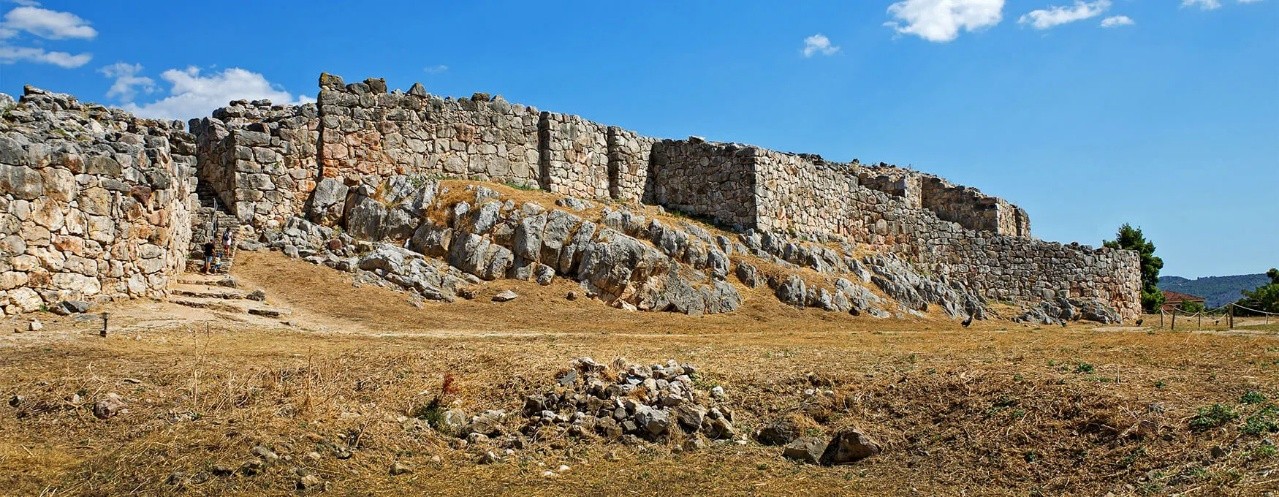
Fig. 2 – Tiryns’ archaeological site
The Lion Gate, the Treasury of Atreus and the walls of Mycenae and Tiryns (see photos in Figs. 3, 4, 5, and 6) are examples of the noteworthy architecture found in Mycenae and Tiryns. The structures and layouts of these discoveries exemplify the creative talent of the time. Greek architecture and urban planning have been significantly influenced by the Mycenaean civilization. Mycenae and Tiryns, which stand as the pinnacle of the early phases of Greek civilisation, provided unique witness to political, social and economic growth during the Mycenaean civilization. The accomplishments of the Mycenaean civilisation in art, architecture and technology, which inspired European cultures, are also on display at both locations.
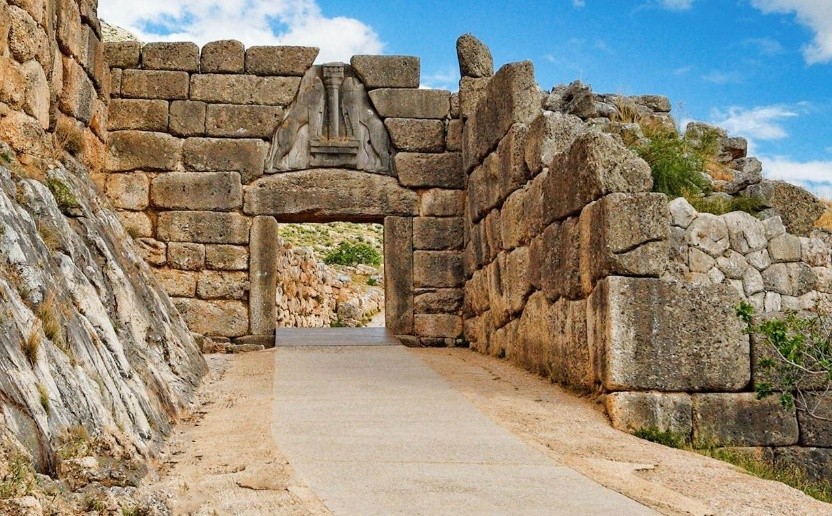
Fig. 3 - The Lions Gate, Mycenae archaeological site.
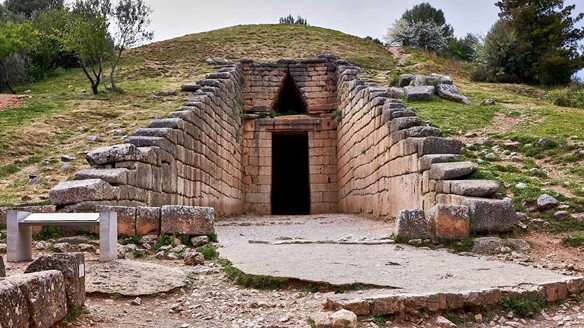
Fig. 4 – The Tomp of Atreus
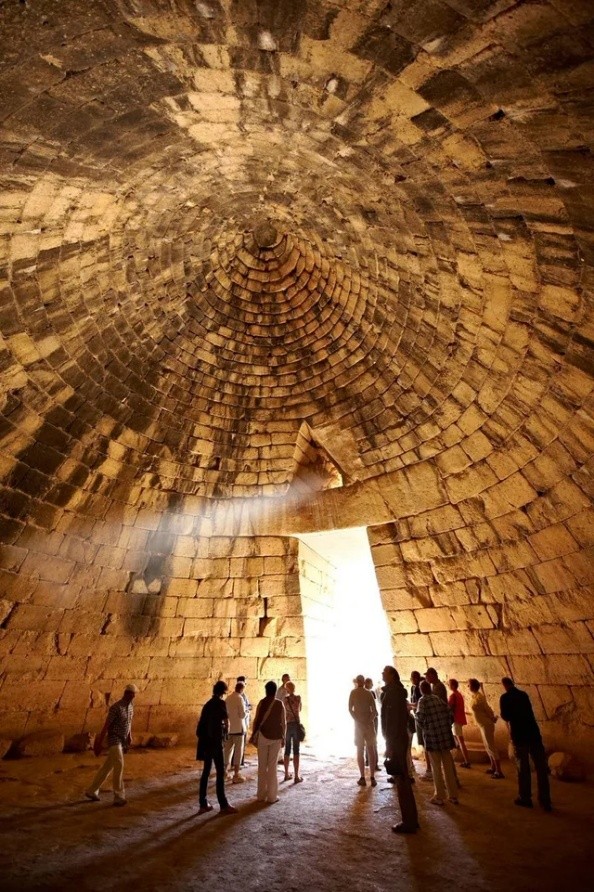
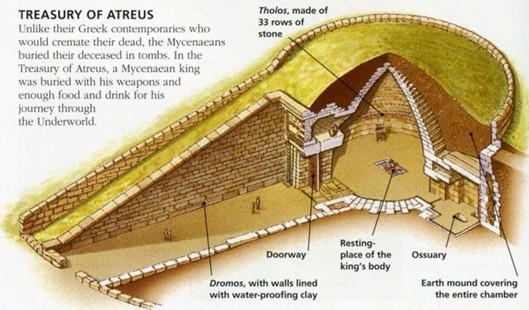
Fig. 5 and 6 -The Treasury of Atreus is a tholos type tomb built circa 1250 B.C. in Mycenae.
These sites are strongly connected to the Homeric epics. The earliest examples of the Greek language are also visible at Mycenae and Tiryns, preserved on Linear B tablets.
A stringent legal framework was established to safeguard the integrity of the Mycenae and Tiryns sites against vandalism and other forms of damage and disturbance to the remains. The Greek Ministry of Culture monitors the two archaeological sites. To maintain the quality and conditions of the Mycenaean and Tiryn sites, archaeological study is conducted methodically and systematically.
The Greek Antiquities Law No 3028/2002, on the 'Conservation of Antiquities and Cultural Heritage in General', governs the preservation and protection of the sites. Ministerial Decree No 2160 of 1964 created and safeguarded the limits of Mycenae in addition to the sites themselves. The acropolis and the wider surroundings are also covered by the extension of protection conferred by this ministerial decree. Ministerial Decrees No 102098/4753 of 1956 and 12613/696 of 1991 both provide protection for the Tiryns archaeological site
Ancient Mycenae – Museum
The artefacts recovered from the various gravesites (see show the Mycenaean people to have indeed been “rich in gold”, as Homer observed in his Iliad. A famous gold funeral mask was uncovered at one of the grave circles. It was initially thought to belong to Agamemnon, however, this theory was later disproved. Even so, the artefact is still known as the Mask of Agamemnon and is on display at the National Archaeological Museum in Athens. Below are a few of the other objects on display in the museum at Mycenae (see Figs. 7,8,9).
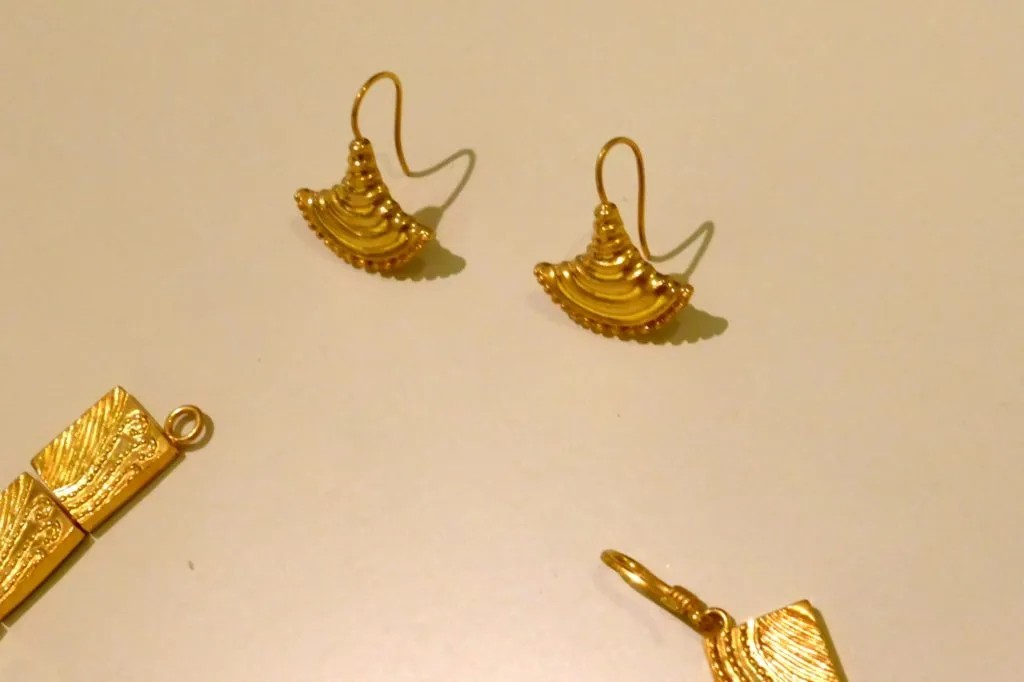
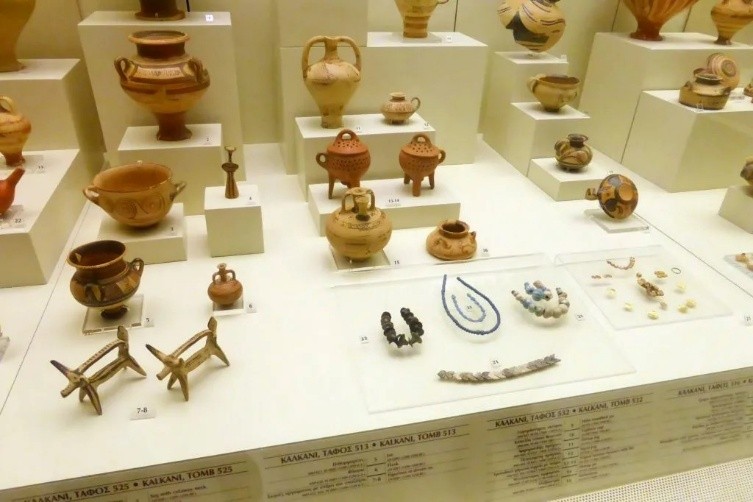
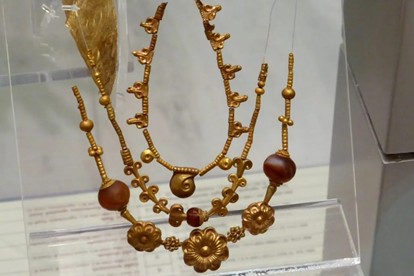
Figs. 7, 8, and 9 - objects on display in the museum at Mycenae
Archaeological Site of Tiryns
Tiryns was already flourishing in the Early Bronze Age. Between 2700 and 2200 BC, there was a populous and prosperous city here. The circular building, 27 metres in diameter which dominates the hilltop, bears witness to the undeniable power of the city. The fortifications of Tiryns were completed in stages, to protect the palace complex, their places of worship and burial sites. Warehouses, workshops and houses complete the picture of a city which flourished for almost 2000 years, until the 5th century BC.
The fortification of the hill of Tiryns (Fig. 10, 11) which protects the palace complex, is such an impressive construction that the ancient Greeks could not believe that it was built by human hands. Thus, the architects of Tiryns were said to be the Cyclopes, who came to the city with Proetus, its legendary founder, from distant Lycia.
All the great heroes and mythical personalities with supernatural powers are associated with Tiryns: Bellerophon, Perseus, and Hercules. Indeed, the construction of the wall is unbelievable and a challenge to logic, even for today’s visitors. One stands in awe in front of the perfect assembly of these huge boulders, unable to understand either how or who could have performed such a great feat of engineering. From archaeological findings we know that the gently sloping hill of Tiryns was continuously inhabited from Neolithic times to Late Antiquity.
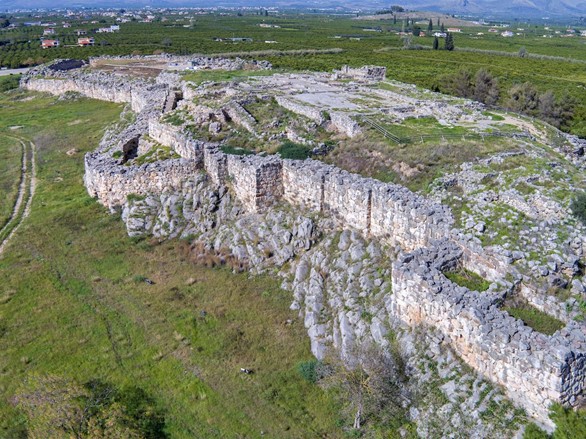
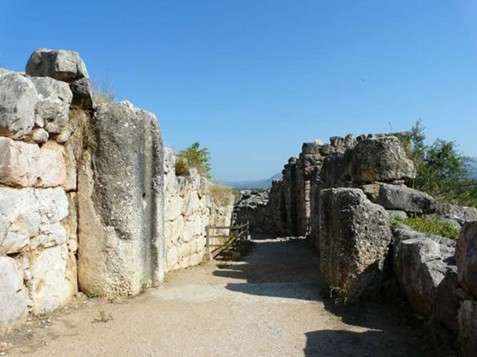
Figs. 10 and 11 - The fortification of the Acropolis of Tiryns
2. Visiting Epidaurus archaeological site
Epidaurus was an important commercial centre in ancient Greece, on the northeastern Peloponnese; it is famed for its 4th-century-BC temple of Asclepius, the ‘father’ of medicine and healing. Excavations of the sacred precinct revealed temples dedicated to Asclepius (Fig.12), and Artemis, a large very impressive theatre (Fig.13), stadium, gymnasiums, baths, a tholos, and ‘abaton’, a kind of ‘hospital’ where patients slept. Inscriptions record medical cures. Originally Ionic, Epidaurus became Doric under the influence of Argos, to which it owed religious allegiance; politically it remained independent.
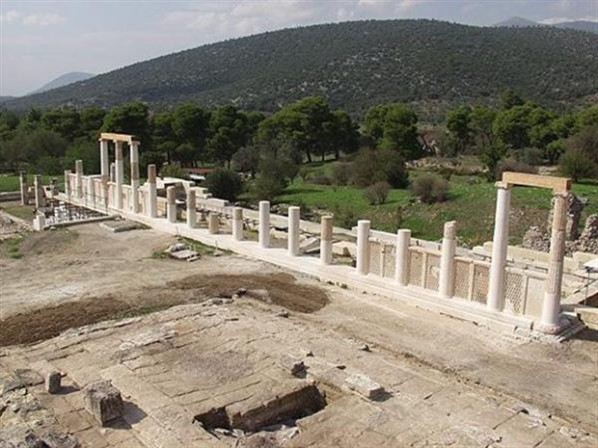
Fig. 12 – Asklipio, Epidaurus
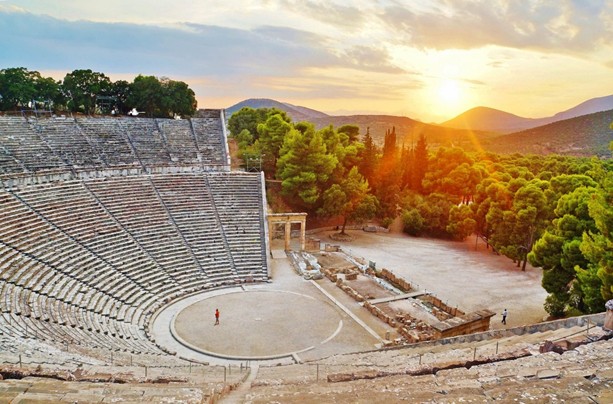
Fig.13 (right)– Epidaurus Theatre hosting cultural event of Athens’ Festival until nowadays
3. Visiting Nafplio town
Old Nafplio town is one of the most beautiful coastal towns in Greece (Fig. 14). The former capital of Modern Greece in 1830. The town is characterized by two mountains crowned by medieval fortresses overlooking the town and the small island fortress called the Bourtzi (Fig.15) that once protected the harbor and used as prison, Nafplio is full of tavernas, shops, cafes, beautiful neoclassical buildings, and a beach that you can walk to in ten minutes.
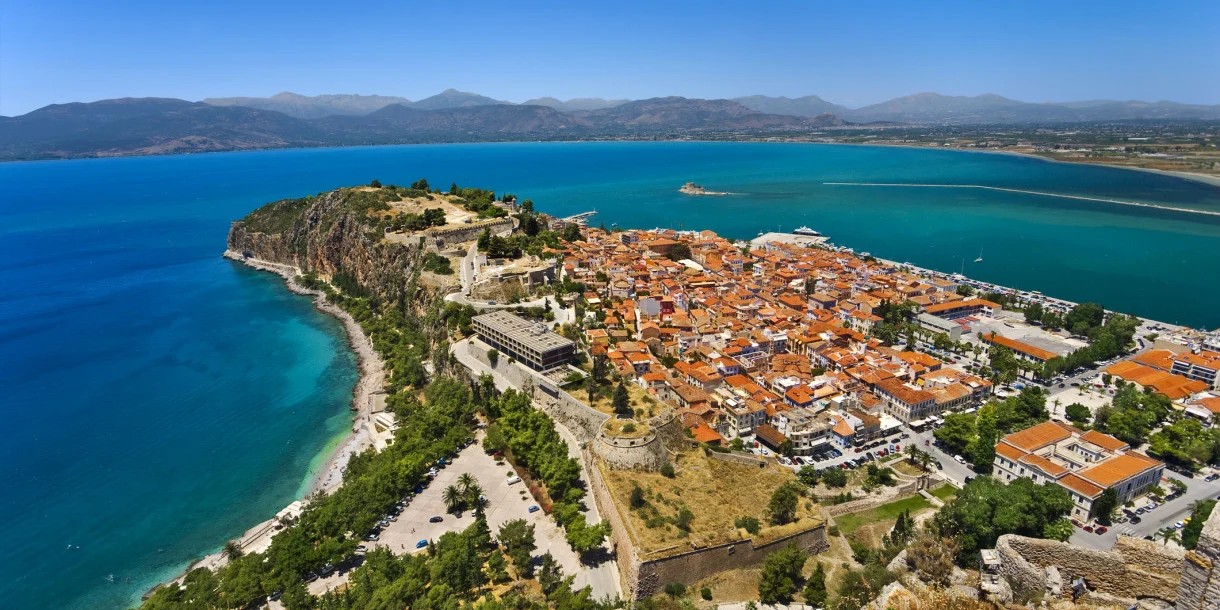
Fig. 14 – Bird-eye view of Nafplio’s historical centre and Medieval Fortifications.
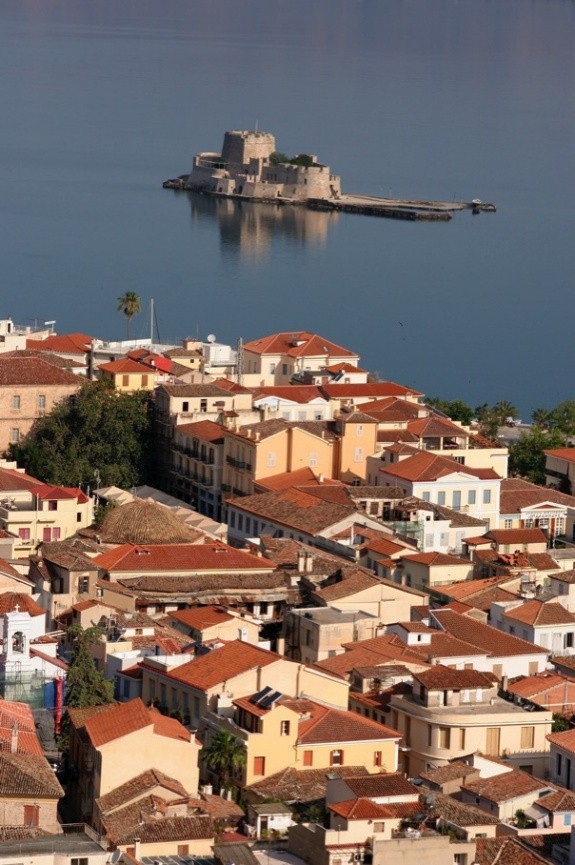
Fig. 15 - Bourtzi – island fortress
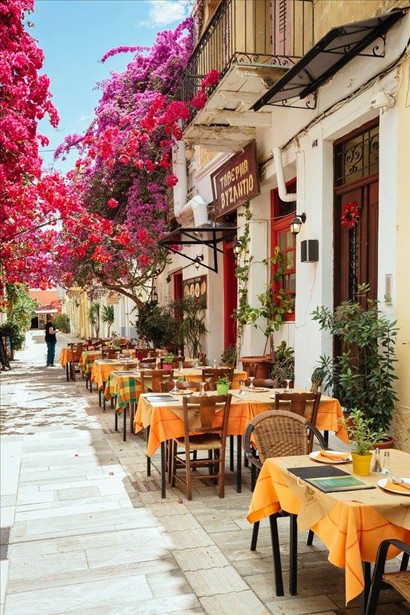
Fig. 16 – Nafplio’s tavernas in the historical centre